Commercial kitchen biosecurity treatment in Memphis operates as an authoritative biological shield, eradicating persistent vectors like Blattella germanica (German cockroaches) and Drosophila melanogaster (fruit flies)…
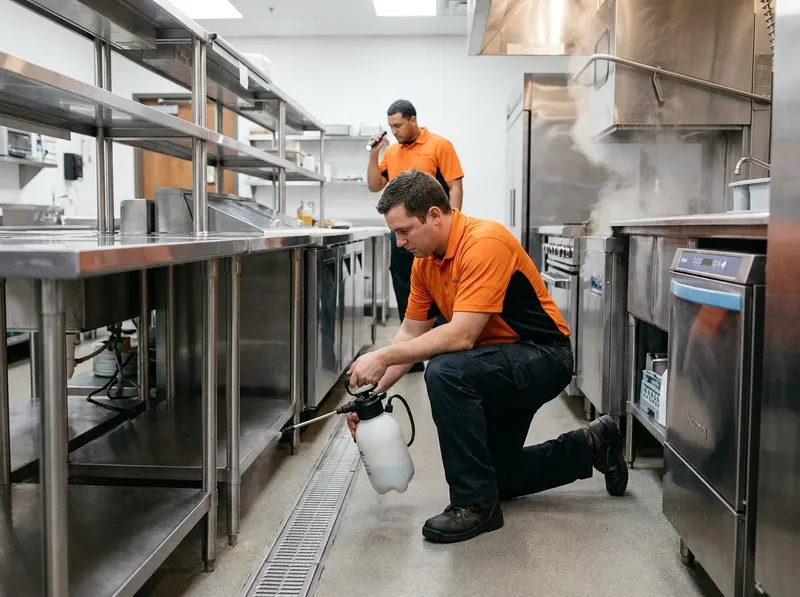
Commercial kitchen biosecurity treatment in Memphis operates as an authoritative biological shield, eradicating persistent vectors like Blattella germanica (German cockroaches) and Drosophila melanogaster (fruit flies) that thrive in high-heat, high-moisture cooking lines. In dense culinary corridors such as Downtown Memphis near the Beale Street Historic District, historic Cooper-Young, and Midtown, commercial kitchens face structural challenges including porous brick mortar, settled plumbing lines, and sub-slab grease interceptors. DesertBloom Pest Defense executes remediation aligned with regulatory frameworks from the FDA Food Safety Modernization Act and OSHA General Industry Standards. Treatments utilize non-corrosive, microbial bio-enzymes to dissolve organic biofilm inside floor sinks, preventing the biological growth cycles tracked under CDC Food Safety Guidelines. Structural crack-and-crevice applications target voids behind stainless-steel prep tables, under heavy fryers, and around dishwasher condensate pans, creating a physical and chemical barrier against invasive vectors without halting daily kitchen prep timelines.
Selecting localized biosecurity treatment over general broadcast pesticide spraying resolves food safety liabilities while protecting kitchen workers and restaurant patrons. Broad-spectrum neurotoxin sprays pose cross-contamination risks regulated under EPA Pesticide Programs and are easily washed away during nightly washdowns. DesertBloom Pest Defense applies targeted biological defenses, using micro-encapsulated baits, botanical pyrethrins, and biological insect growth regulators (IGRs) certified by the NSF Food Safety Standard. In facilities across East Memphis, Binghampton, and Berclair, standard drain treatments utilize low-pressure foamers to deliver surfactants directly to drain pipe walls where dipteran larvae develop. Facilities must balance physical sanitation labor with technical chemical remediation: biological treatment eliminates deep hidden breeding zones inside wall voids, but facilities must maintain nightly floor squeegeeing to sustain long-term elimination.
Executing biosecurity protocols follows four clear steps. Step 1: Technicians conduct an inspection of all cooking lines, beverage dispensers, refrigeration gaskets, and dry-storage pallets to isolate thermal anomalies and microbial buildup. Step 2: The perimeter receives structural exclusion sealing, caulking penetrations around gas lines and electrical conduits to comply with Tennessee Department of Health Food Service Rules and Shelby County Health Department Inspection Standards. Step 3: Application of targeted biochemical insect growth regulators and precision gel placements behind hollow equipment legs and motor housings. Step 4: Technicians install calibrated multi-catch monitoring traps and log product placement data in compliance with National Pest Management Association Guidelines. Large production kitchens, catering spaces, and food manufacturing facilities in Whitehaven, Raleigh, and Cordova receive customized vector-density reports verifying containment.
Every job gets a firm, written price after a free on-site visit.
Tell us about your commercial kitchen biosecurity treatment job in Memphis and we'll send a clear, written quote, usually the same day.
 DesertBloom Pest Defense